

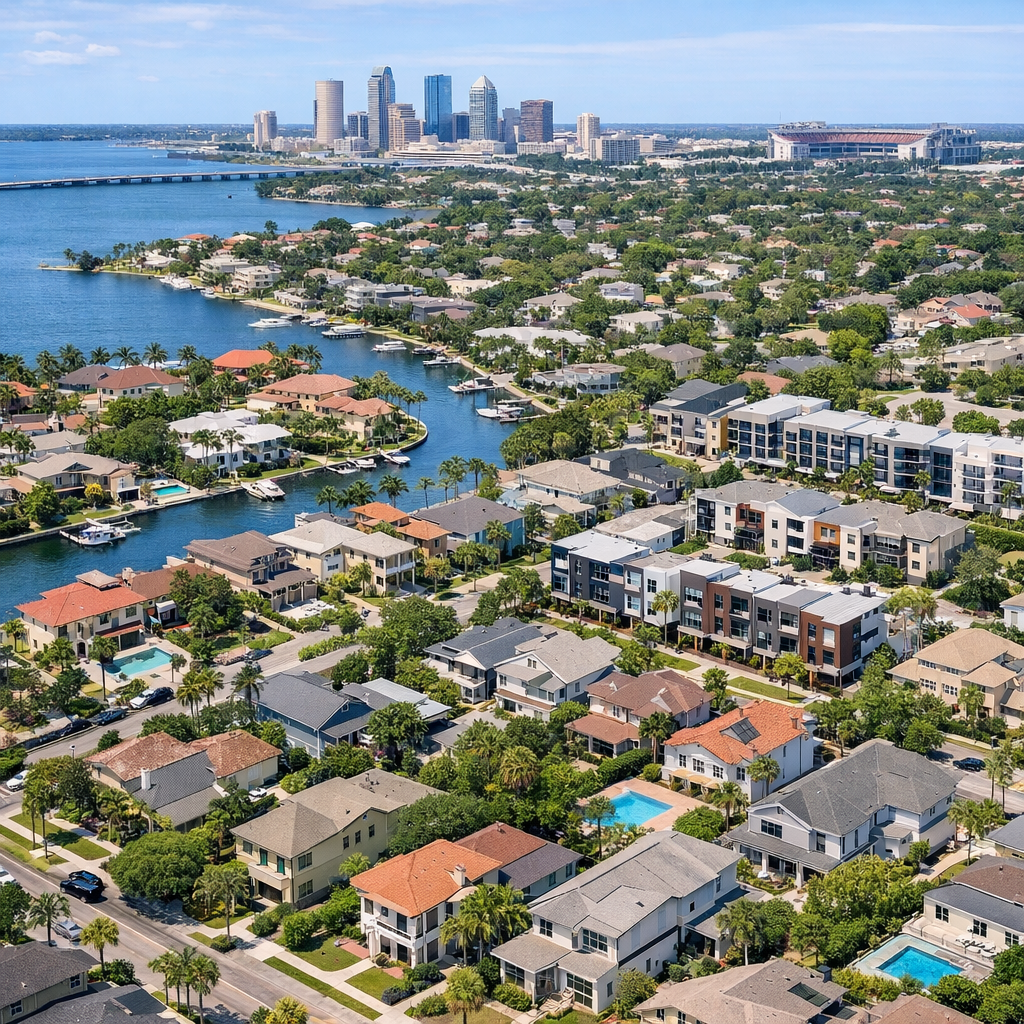
Tampa is grappling with a substantial affordable housing shortage, a challenge that has intensified in recent years. The city’s rapid population growth has outpaced the development of new housing units, leading to increased rents and home prices across many neighborhoods.
According to a recent housing needs assessment presented to the Tampa City Council, rent increased by 0.4% from January through July 2025, culminating in a 49.9% rise since 2020. Additionally, 53% of Tampa renters are considered cost-burdened, spending more than 30% of their income on rent, while approximately 28% are severely cost-burdened, allocating over half of their income to housing costs. The study also identified a gap of over 26,000 between the number of households and the number of affordable and available units for individuals living under 50% of the Area Median Income (AMI).
In response to these challenges, the City of Tampa has been exploring various policy tools to increase the supply of affordable housing. Recommendations include allowing homeowners to rent out accessory dwelling units, eliminating minimum lot sizes, reducing parking requirements near transit, pre-approving building plans, and offering incentives for developers who build affordable units.
Community organizations are also playing a pivotal role in addressing the housing crisis. The East Tampa Community Redevelopment Agency (CRA) has been working to revitalize the area through affordable housing initiatives, commercial grants, and job creation. However, some residents and board members have expressed concerns that the CRA’s boundaries may be outdated, potentially limiting the effectiveness of these efforts.
Furthermore, the Tampa CRA is considering the implementation of Crime Prevention through Environmental Design (CPTED) strategies to enhance neighborhood safety and attractiveness, which could indirectly support housing affordability by making communities more desirable and livable.
As Tampa continues to grow, collaborative efforts between city officials, community organizations, and residents are essential to develop and implement effective solutions to the affordable housing crisis, ensuring that all residents have access to safe and affordable housing options.