

As the United States continues to grapple with various economic challenges, it’s essential to understand the factors influencing our nation’s financial health. Recent data reveals a complex picture, with both positive indicators and areas of concern.
Inflation and Consumer Prices
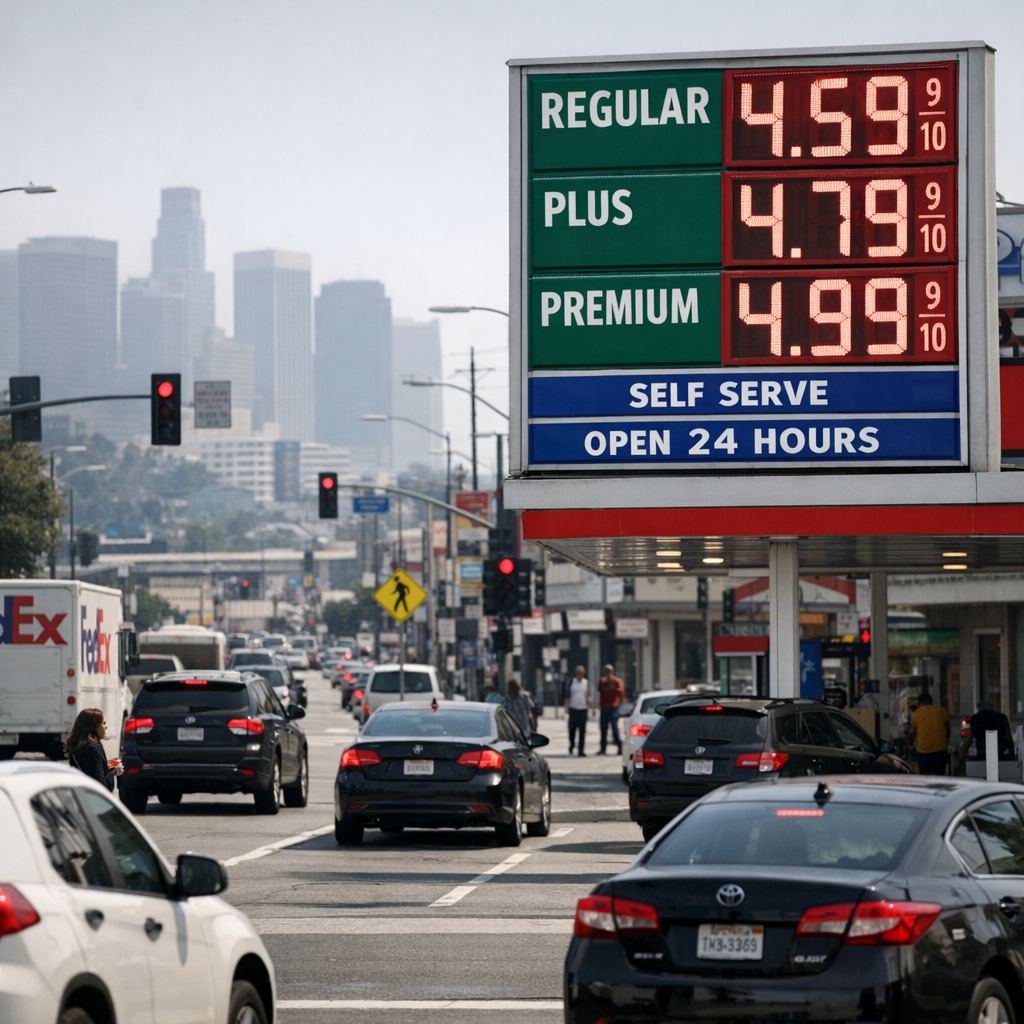
Inflation remains a pressing issue, with the Consumer Price Index (CPI) rising by 3.8% in April. This uptick is largely attributed to escalating energy costs, particularly due to disruptions in the Strait of Hormuz affecting oil supplies. Consequently, gas prices have surged above $4.50 per gallon, placing additional strain on household budgets. Source
Employment Trends
Despite inflationary pressures, the job market has shown resilience. In April, employers added 115,000 jobs, surpassing expectations. The unemployment rate held steady at 4.3%. Notably, sectors such as healthcare and transportation experienced significant growth, while manufacturing faced continued declines. Source
Impact of International Events
Geopolitical tensions, particularly the ongoing conflict with Iran, have cast a shadow over economic stability. The recent standoff in the Strait of Hormuz has not only disrupted oil supplies but also heightened global uncertainty, affecting markets and trade dynamics. Source
Looking Ahead
While certain economic indicators suggest resilience, the combination of rising inflation, international conflicts, and market volatility underscores the need for cautious optimism. Staying informed and adaptable will be crucial as the nation navigates these complex economic waters.